*Set against decades of violence, Dhurandhar has topped Netflix charts on both sides of the border — even as it fuels a debate about nationalism and propaganda.*
*Jeanette Rodrigues and Tooba Khan for Bloomberg News*
Dressed in a sharp black suit, gang leader Rehman Dakait swaggers onto a makeshift stage, leans into the microphone and addresses a rally. “Assalamualaikum, Lyari,” he says, as firecrackers explode and dust fills the air. In the packed Mumbai cinema hall, audiences erupt in whistles and cheers.
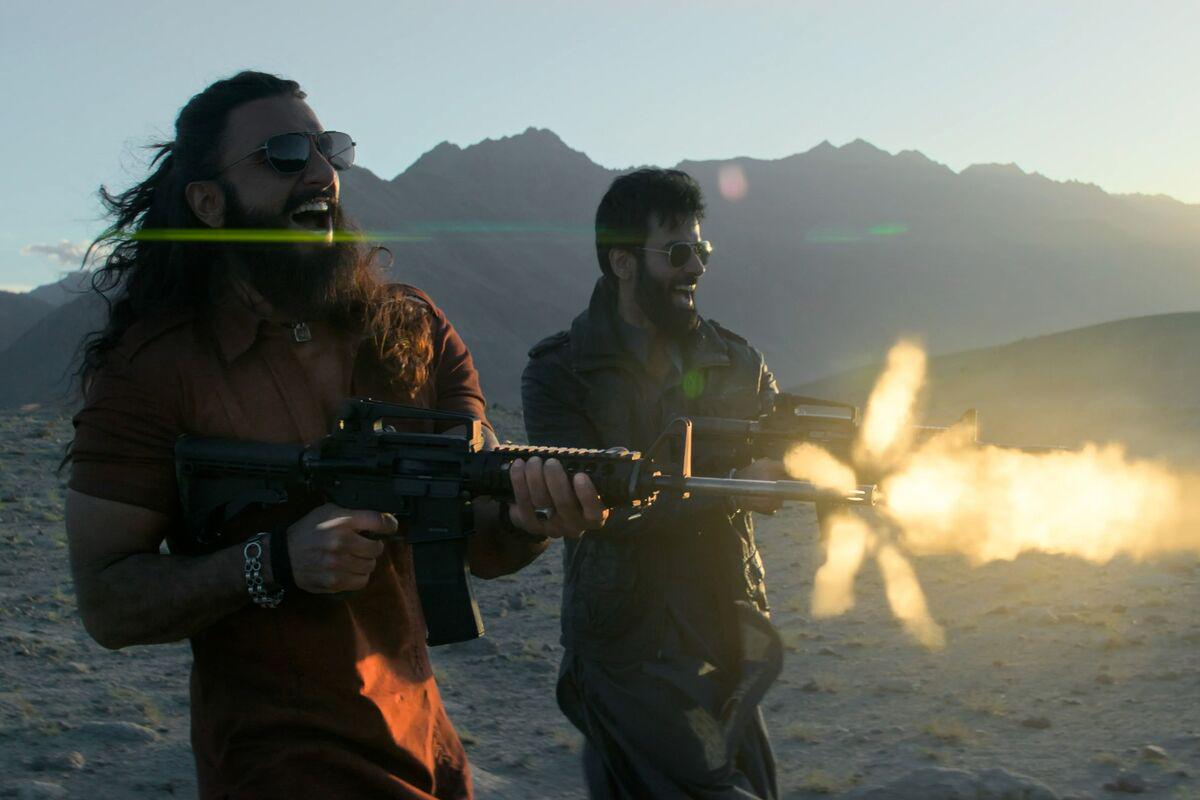
The rally scene, now a viral hit on social media, is from *Dhurandhar*, a spy thriller set between New Delhi and Karachi, Pakistan, that has become the highest-grossing Hindi-language film of all time. It follows an Indian intelligence officer who infiltrates the criminal underworld in Lyari, a portside neighborhood of Karachi associated with gang violence, to dismantle a cross-border terrorist network.
It’s a slick work of historical fiction, moving through a decade of violence that shaped South Asia: the 1999 hijacking of Indian Airlines Flight IC-814, the 2001 assault on the Indian Parliament and the 2008 Mumbai attacks when gunmen stormed hotels, a railway station and a Jewish center — atrocities India has blamed on Pakistan.
Released in December, just months after the nuclear-armed neighbors fought their worst conflict in decades, the movie arrives at a time of rising nationalist sentiment in Prime Minister Narendra Modi’s India. Critics accuse the film of blatant “anti-Pakistan” propaganda, and it wasn’t cleared for cinematic release in the country. Yet when *Dhurandhar* premiered on Netflix last month, it quickly climbed to the top of the charts on both sides of the border — underscoring the complex and often contradictory relationship between the two nations.

6 Comments
*Set against decades of violence, Dhurandhar has topped Netflix charts on both sides of the border — even as it fuels a debate about nationalism and propaganda.*
*Jeanette Rodrigues and Tooba Khan for Bloomberg News*
Dressed in a sharp black suit, gang leader Rehman Dakait swaggers onto a makeshift stage, leans into the microphone and addresses a rally. “Assalamualaikum, Lyari,” he says, as firecrackers explode and dust fills the air. In the packed Mumbai cinema hall, audiences erupt in whistles and cheers.
The rally scene, now a viral hit on social media, is from *Dhurandhar*, a spy thriller set between New Delhi and Karachi, Pakistan, that has become the highest-grossing Hindi-language film of all time. It follows an Indian intelligence officer who infiltrates the criminal underworld in Lyari, a portside neighborhood of Karachi associated with gang violence, to dismantle a cross-border terrorist network.
It’s a slick work of historical fiction, moving through a decade of violence that shaped South Asia: the 1999 hijacking of Indian Airlines Flight IC-814, the 2001 assault on the Indian Parliament and the 2008 Mumbai attacks when gunmen stormed hotels, a railway station and a Jewish center — atrocities India has blamed on Pakistan.
Released in December, just months after the nuclear-armed neighbors fought their worst conflict in decades, the movie arrives at a time of rising nationalist sentiment in Prime Minister Narendra Modi’s India. Critics accuse the film of blatant “anti-Pakistan” propaganda, and it wasn’t cleared for cinematic release in the country. Yet when *Dhurandhar* premiered on Netflix last month, it quickly climbed to the top of the charts on both sides of the border — underscoring the complex and often contradictory relationship between the two nations.
[Read the full dispatch here.](https://www.bloomberg.com/news/articles/2026-02-20/bollywood-epic-dhurandhar-breaks-records-in-india-and-pakistan?accessToken=eyJhbGciOiJIUzI1NiIsInR5cCI6IkpXVCJ9.eyJzb3VyY2UiOiJTdWJzY3JpYmVyR2lmdGVkQXJ0aWNsZSIsImlhdCI6MTc3MTY2MzE3MiwiZXhwIjoxNzcyMjY3OTcyLCJhcnRpY2xlSWQiOiJUQVFHNDJLR0lGVU8wMCIsImJjb25uZWN0SWQiOiJEMzU0MUJFQjhBQUY0QkUwQkFBOUQzNkI3QjlCRjI4OCJ9.YJPuu0XN-Jd50LL39sAmjwBHjjUQQP8Gt2-nJNg5oMo)
Saw this movie yesterday. It fucking ruled. 3.5 hours went by like that.
India, japan, south korea had been steadily growing and catching up to the US. Meanwhile china: Shorts slop
Typical Bollywood slop being lapped up by two heavily media censored countries.
Edit: downvote me all you want you revisionist history loving Indian bots. Mere ko koi daar nai hai downvotes se salayyyyyy
Did pretty well in the Bay Area Multiplex where I work.
Propaganda movie, pass.